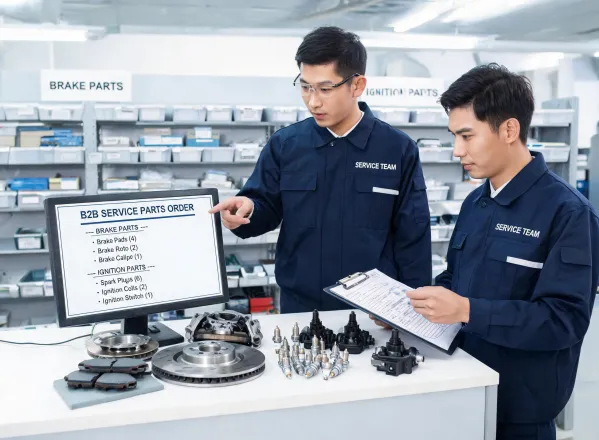
Bendix in this site is presented as a minimal, high-rotation purchasing route for brake and ignition-related demand. The goal is not to overwhelm a buyer with a broad lifestyle catalog; it is to help distributors, fleet maintenance programs, dealer service departments, and independent repair workshops check fitment, compare references, and move toward a quote without extra screens.
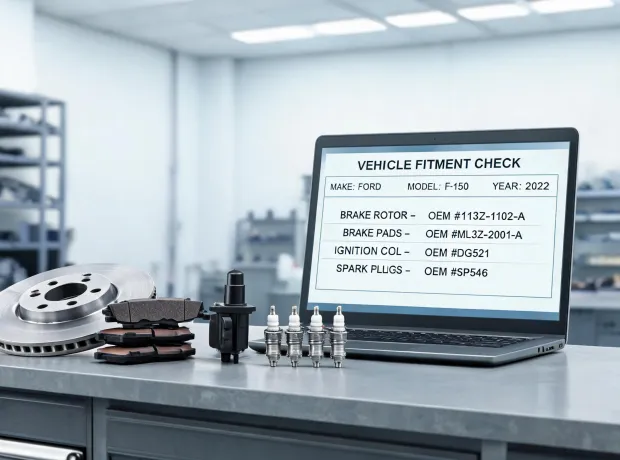
The narrative behind the Bendix build is simple: replacement-parts buyers often know the problem before they know the exact order. A technician may have a brake pad request, a fleet manager may have a repeated rotor replacement cycle, and a distributor may be trying to line up ignition and electrical items for a customer list. This site treats those starting points as valid and routes them directly into a catalog path, a cross-reference path, or a sourcing form.
For a minimal efficient persona, the brand experience should feel organized rather than decorative. The layout uses compact categories, short actions, and visible application language because each extra marketing layer can slow a team that is already working against repair schedules and replenishment windows. Bendix pages therefore keep product focus, documentation references, and contact forms close to the buyer's decision point.
The values below translate the seed advantages into practical site behavior, so each page supports quote readiness rather than abstract brand language.
Passenger vehicle repair networks need accurate fitment before a bay is held open. Commercial fleet maintenance programs need repeatable order patterns that reduce vehicle downtime. Regional parts distributors need clean category language that can be passed to their customers without translation. Independent repair workshops and dealer service departments need enough context to trust a replacement path while keeping attention on the current job.
Bendix supports those workflows by keeping application options, category names, and support actions consistent across the site. Industries listed in the footer and industries page come directly from the seed, which keeps the experience grounded in the intended buyer groups instead of drifting into generic automotive claims.
Share the part family, vehicle application, and purchase timing. The form keeps the request centered on facts that help a sourcing team respond clearly.