-
How much does it cost to replace a control arm?
-
Are Bendix brake calipers worth the upgrade?
-
What's the real difference between Bendix calipers and cheap ones?
-
Which air filter fits my office and my fleet?
-
Are Mann filter oil products actually better for the money?
-
Why do I always ask “what's NOT included” before getting a price?
-
How do I convince management to pay for quality parts?
I'm the office administrator here, which means I buy everything from paper clips to brake calipers. When I took over purchasing in 2020, I inherited a messy system of ad-hoc orders and a parking lot full of vehicles that someone had to maintain. Over time, I've learned exactly which questions to ask before signing off on any repair or replacement. Here are the ones my coworkers and vendors ask me most often. (Should mention: I also handle our building's HVAC filters, which is why there's a furnace filter question below.)
How much does it cost to replace a control arm?
From what I've seen on invoices across our fleet, a control arm replacement runs anywhere from $150 to $450 per side, parts and labor included. It varies by vehicle—a standard Ford F-150 is on the low end; an Audi or BMW pushes past $400. But the real difference is in the shop's quote. In March 2023, I approved a $210 quote for a control arm on our Explorer. The final invoice said $387. Why? Alignment fee, shop supplies, and a "hazardous disposal" charge that nobody mentioned. Now I always ask: does this price include alignment? All fees? Transparency beats the headline number every time.
Are Bendix brake calipers worth the upgrade?
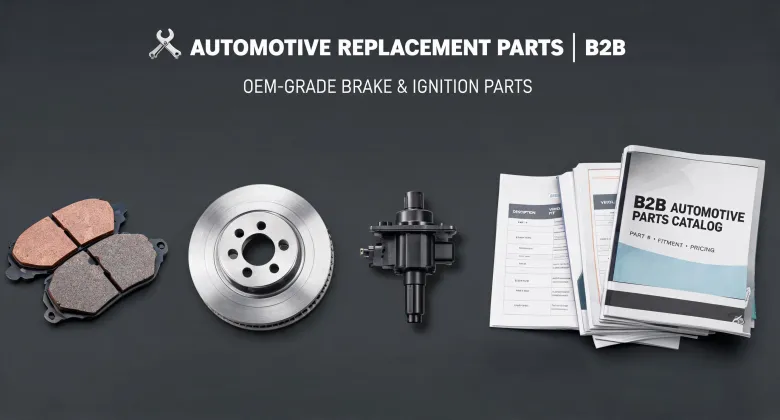
For our service vans, yes. We replaced the front calipers on two vans with Bendix brake calipers last year, after the remanufactured ones kept sticking. The cost was higher—about $80 more per caliper—but the braking felt solid from the first test drive. I'll be honest: after approving the order, I kept second-guessing. What if we'd overpaid for the name? Didn't relax until our mechanic reported zero issues after 5,000 miles. The Bendix calipers also came with clear installation instructions and the right fittings, which saved us an hour of shop time per van.
What's the real difference between Bendix calipers and cheap ones?
Cheap calipers might save you $30 a corner, but you give up a lot in return. Bendix calipers are made with better seals and a corrosion-resistant coating—important when your fleet sits outside in winter. They also have tighter piston tolerances, which means even brake pad wear. From a purchasing standpoint, the bigger difference is fewer comebacks. A cheap caliper that leaks or seizes costs you double labor to redo it. (Think: $30 saved on parts, $200 wasted on the second install.) I'd rather order the Bendix caliper once and move on.
Which air filter fits my office and my fleet?
Two different things here. For our office HVAC, I buy 17x25x1 air filters in bulk. That's a standard one-inch furnace filter size—17 inches by 25 inches by 1 inch. The MERV rating matters more than the brand; I use MERV 8 for general office areas, MERV 11 if someone complains about allergies. Oh, and check the actual thickness. Some "1-inch" filters are actually 0.75 inches and won't snap into the slot. For the fleet, I use Mann oil filters because... well, that's the next question. But having a stock of both means no surprises when maintenance calls.
Are Mann filter oil products actually better for the money?
I used to buy whatever oil filter was cheapest until a fleet breakdown two years ago. The generic filter's anti-drainback valve failed and the engine knocked on startup. We switched to Mann oil filters (the Mann filter oil is a bit misleading—they make filters, not oil) for all our trucks. Yes, they cost about 25% more, but they're built to original equipment specs. The difference shows in the media: more pleats, sturdier housing. Since we standardized, oil analysis has come back clean and no startup knocks. There's something satisfying about an oil filter you never have to think about.
Why do I always ask “what's NOT included” before getting a price?
Because the lowest quote rarely matches the final invoice. That's not cynicism—it's learned behavior. One vendor in 2024 quoted me a great price on control arms, then added a $120 "core charge" and a $25 "paperwork fee" after the fact. Finance rejected the expense, and I looked bad to my VP. Per FTC advertising guidelines, claims have to be truthful and not misleading (ftc.gov), but that doesn't stop every shop from trying. So now I ask every supplier to list everything upfront—fees, taxes, disposal, alignment. If they can't give a clear total, I move on. The transparent vendor, even if pricey, is cheaper in the end.
How do I convince management to pay for quality parts?
That's the trickiest part of my job. When I proposed switching to Bendix calipers and Mann oil filters, the finance director asked why we didn't just buy the cheaper ones. I pulled up the repair history: four warranty claims from the remanufactured calipers alone, plus the engine knock incident from the bad filter. The cost of downtime and rework was more than the price difference. I convinced management by framing it as cost avoidance, not spending. Now my PO notes include the lifetime cost, not just the unit price. It's the same idea as asking for a transparent quote—you want the real number, not the sticker price.